Free Government iPhone Eligibility 2026
Who qualifies, the exact 2026 income limits, which programs count, and what documents you’ll need — plus a 60-second checker.
Quick answer: do you qualify for a free government iPhone?
You likely qualify if either (1) you or someone in your household participates in SNAP, Medicaid, SSI, public housing, Veterans Pension, or Tribal assistance — or (2) your household income is at or below 135% of the 2026 Federal Poverty Guidelines ($21,546 for one person in the 48 contiguous states). One Lifeline benefit per household. Run the checker below for an instant estimate.
The Eligibility Checker
Three questions, one instant verdict — measured against the official 2026 Federal Poverty Guidelines used by the Lifeline program.
Check your eligibility
Tick any program your household uses or enter your income — the checker tests both paths, exactly like the real process.
Estimate only, based on 2026 Federal Poverty Guidelines (135%). The National Verifier makes the final decision — nv.fcc.gov.
Two Paths to the Same Free iPhone
You only need one of these. Most people qualify through programs they already use.
Path 1 · Fastest
Qualify Through a Program
If you or anyone in your household participates in SNAP, Medicaid, SSI, public housing, Veterans Pension, or a Tribal assistance program, you generally skip the income test. The National Verifier can often confirm enrollment automatically — approvals in minutes.
Path 2 · Income-Based
Qualify Through Your Income
No benefits? No problem. If your total household income is at or below 135% of the Federal Poverty Guidelines, you qualify on income alone. For 2026 that’s $21,546/year for a single person in the 48 contiguous states (higher in Alaska and Hawaii).
Every Qualifying Program (2026)
Participation by anyone in your household — not just you — counts. Here’s what qualifies and what proof you’ll show.
| Program | What counts | Typical proof |
|---|---|---|
| SNAP (food stamps / EBT) | Any household member enrolled | Benefit award letter or EBT approval notice |
| Medicaid | Includes state programs like Medi-Cal | Medicaid card or eligibility letter |
| SSI (Supplemental Security Income) | Needs-based SSI — not regular Social Security retirement | SSA benefit letter |
| Federal Public Housing Assistance | Section 8 vouchers, public housing, project-based assistance | Housing authority letter or voucher |
| Veterans Pension / Survivors Benefit | Veterans receiving VA pension; surviving spouses | VA benefit letter |
| Tribal: BIA General Assistance | Qualifying Tribal lands only | Tribal or BIA documentation |
| Tribal: Tribal TANF | Qualifying Tribal lands only | Tribal TANF letter |
| Tribal: Head Start | Only households meeting the income standard | Head Start enrollment + income docs |
| Tribal: FDPIR | Food Distribution Program on Indian Reservations | Program participation letter |
⚠️ Common confusion: WIC, free school lunch, and Pell Grants do NOT qualify under standard Lifeline rules (they only matter for a separate survivor-benefit extension). Many outdated sites still list them — that’s stale ACP-era information.
2026 Lifeline Income Limits (135% of Poverty Guidelines)
Official USAC figures. If your household income is at or below your number, you qualify — even with zero benefits.
| Household Size | 48 States + DC | Alaska | Hawaii |
|---|---|---|---|
| 1 person | $21,546 | $26,933 | $24,786 |
| 2 people | $29,214 | $36,518 | $33,602 |
| 3 people | $36,882 | $46,103 | $42,417 |
| 4 people | $44,550 | $55,688 | $51,233 |
| 5 people | $52,218 | $65,273 | $60,048 |
| 6 people | $59,886 | $74,858 | $68,864 |
| 7 people | $67,554 | $84,443 | $77,679 |
| 8 people | $75,222 | $94,028 | $86,495 |
Add $7,668 per extra person (48 states), $9,585 (Alaska), or $8,816 (Hawaii). Source: USAC / lifelinesupport.org, 2026 guidelines.
Documents You’ll Need to Apply
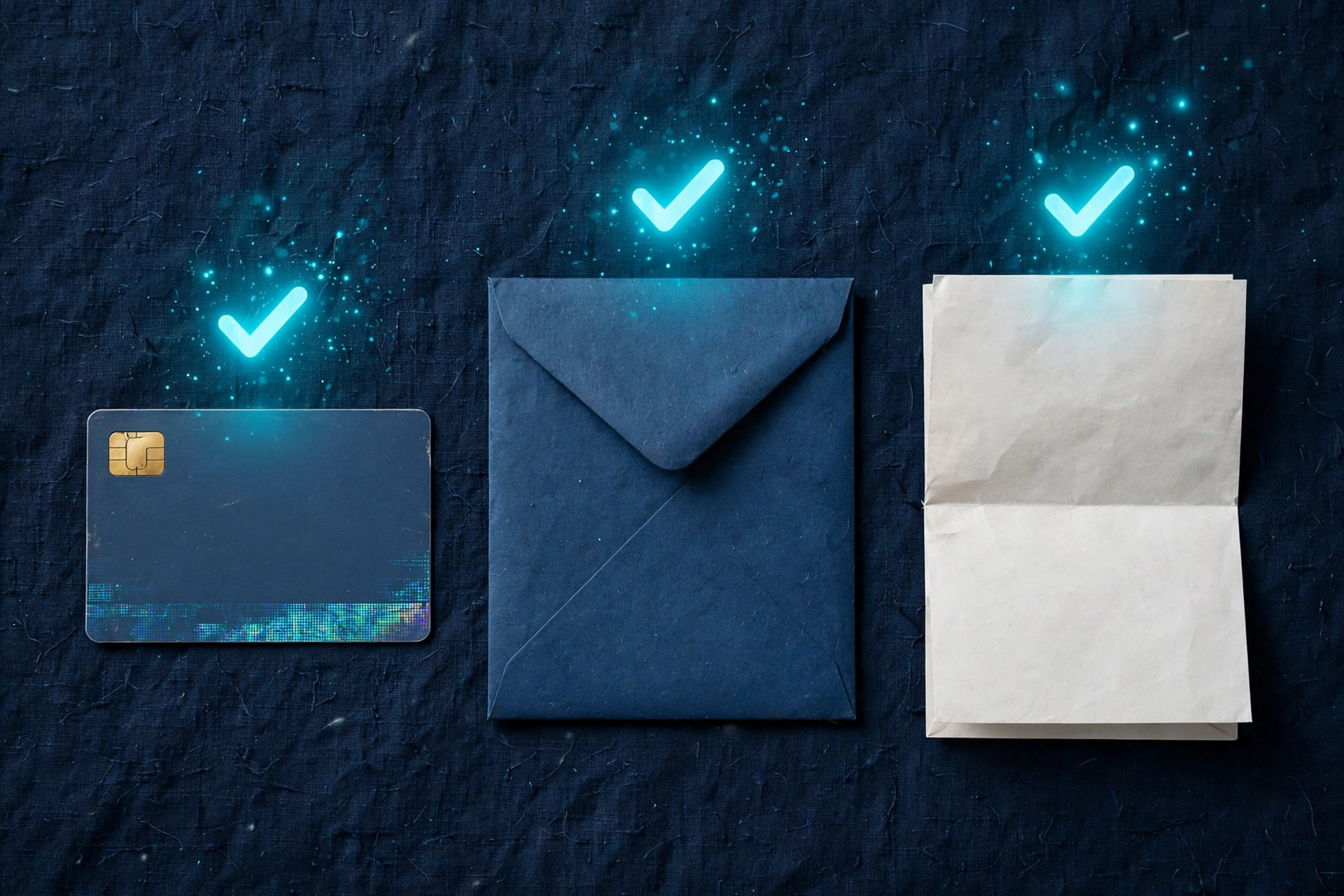
Three categories, that’s it. Clear phone photos are accepted — just make sure names and addresses match across documents.
Proof of identity
Driver’s license, state ID, passport, or other government photo ID.
Proof of eligibility
Program path: benefit award letter (SNAP, Medicaid, SSI…). Income path: tax return or three consecutive months of pay stubs.
Proof of address
Utility bill, lease, or official mail showing your current address.
Who Does Not Qualify — and Why Applications Get Denied
🚫 You don’t qualify if…
- Your household income is above 135% of the guidelines and nobody uses a qualifying program.
- Someone in your household already has a Lifeline benefit — it’s strictly one per household.
- You can’t document your identity, address, or eligibility.
🔧 Denied? Usually fixable
- Address mismatch — the #1 denial reason. Make sure every document shows the same address.
- Blurry documents — retake clear, well-lit photos of the full page.
- Duplicate household — if you live with others but don’t share income/expenses, file a household worksheet.
- Old benefit letter — use a letter from the last 12 months.
🪶 On Tribal lands? You get more
Eligible residents of qualifying Tribal lands receive up to $34.25/month (instead of $9.25) and can qualify through additional Tribal programs listed above. See Tribal program notes by state →
Eligibility FAQs
Checked against FCC and USAC sources, October 2026.
Why trust this guide?
Written by the Wireless Free iPhone editorial team · Last reviewed October 2026 · Income figures verified against USAC’s official 2026 table, plus the FCC. Independent guide — not a government agency. Read our editorial policy and disclaimer.
Eligible? Here’s What to Do Next
Compare providers to find the best free iPhone near you, then follow the step-by-step application walkthrough.